The independent appliance repair shop across the Northeast
Stove & Range Repair in Philadelphia — Book a Visit Today
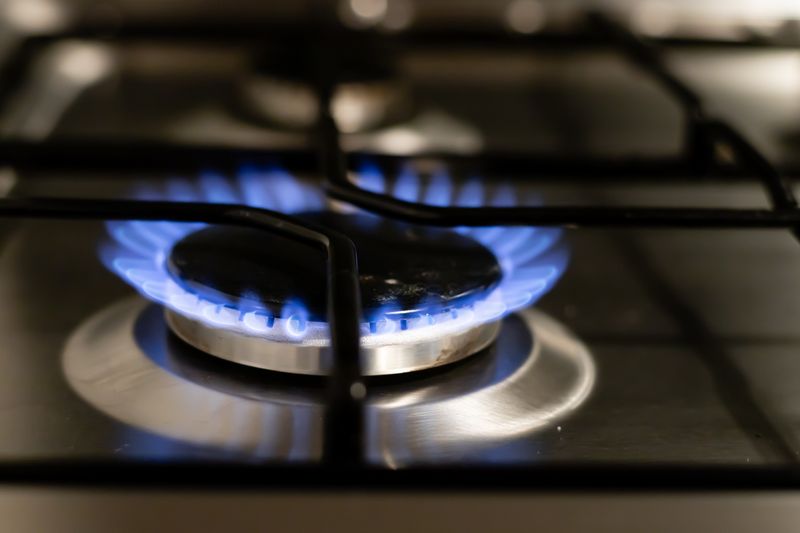
We repair gas and electric cooktops and ranges in Philadelphia, so tell us the make and symptom or start with the quote form. A burner that clicks and never catches, one electric element staying cold while the rest heat fine, or a flame burning yellow and lazy instead of blue each points to a specific part: igniter, spark module, surface element, infinite switch, or a clogged burner port. Gas smells are different. Leave the house and call the utility first. We work on all major brands as an independent company, in the cramped galley kitchens Philadelphia is full of.
Call (888) 826-9217- A real person answers
- Open 7 days
- Written quote before work starts
Taking calls until 5:00 PM ET
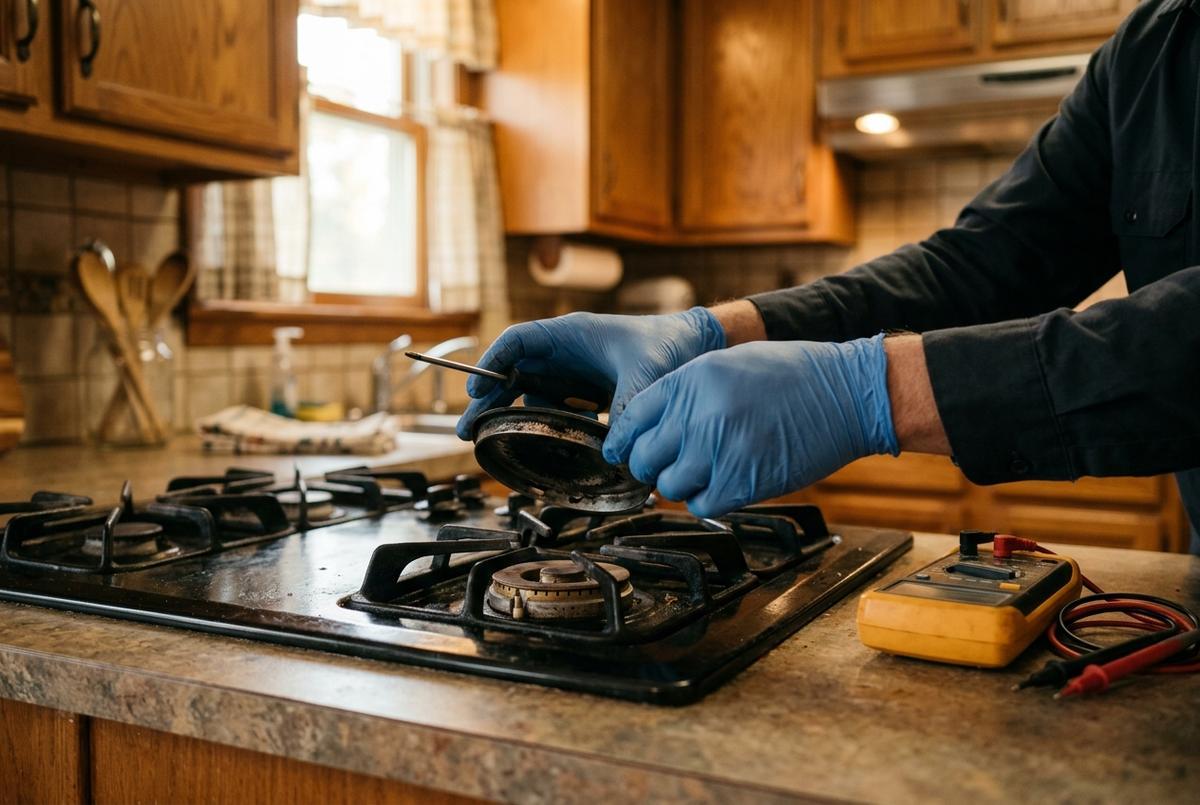
Common stove & range faults in Philadelphia homes
- Burner clicks and clicks but never lights Spark igniter or ignition module, usually moisture in the switch or a cracked electrode.
- Oven runs way too hot on one side Failing temperature sensor, bad calibration, or a bake element burning unevenly.
- I smell gas near the stove Loose fitting, worn valve stem, or a leaking supply line. Shut the gas off and call.
- Front burner won't turn down past high Worn infinite switch on electric. On gas, a clogged orifice and a bad valve.
- Oven door won't latch during self-clean Door lock motor, warped hinges, or a stretched door spring holding the seal open.
Philadelphia coverage
In the city we cover 19101, 19102, 19103, 19104 and 19106, and we also work in Drexel Hill, Havertown, Springfield and Radnor.
Other repairs we do in Philadelphia
- Refrigerator Repair
- Washer Repair
- Dryer Repair
- Dryer Vent Cleaning & Repair
- Dishwasher Repair
- Oven Repair
Stove & Range Repair service hub → · Every appliance we fix in Philadelphia →
How an independent local shop compares in Philadelphia
| Elite AR | Big-box repair chains | Handyman listings | |
|---|---|---|---|
| You approve a written quote first | ✓ | ✕ | ✕ |
| A real person answers, 7 days a week | ✓ | ✕ | ✓ |
| Gas and electric, all major brands | ✓ | ✓ | ✕ |
| No manufacturer targets to hit | ✓ | ✕ | ✓ |
| Crews familiar with homes like yours | ✓ | ✕ | ✓ |
What homeowners say after the visit
“Dryer squealed like a train. New rollers, quiet laundry room, happy family.”
Gus P.Toms River, NJ“Explained the difference between the cheap fix and the durable fix, then let me pick.”
Nadia H.Nashua, NH“Fridge died the week groceries were stocked for a birthday. They squeezed us in same day.”
Cliff T.Brooklyn, NYStove & Range Repair in Philadelphia — quick answers
Do you work on both gas and electric ranges?
Both, plus dual-fuel and induction. Gas work means igniters, valves, orifices and safety valves. Electric means elements, infinite switches and relay boards. Induction is coils and power modules. Tell us which you have when you call us.
My oven bakes cold. Is that fixable or is it the whole stove?
Almost always a part, not the appliance. A drifting temperature sensor is the usual culprit, sometimes the control board or a cracked element. We test the sensor's resistance cold, so the diagnosis isn't guesswork.
One burner is dead but the rest work. Worth a service call?
Yes, and it's usually a small repair. On gas that points at one igniter or a blocked orifice. On electric it's often the element or its receptacle. Isolated failures are simpler than whole-range problems.
Can you get to a range in a tight galley kitchen?
That's most of the homes we visit. Rowhouses and walk-ups don't leave much clearance. We protect the floor, walk the range out carefully, and check for a gas shutoff before anything moves.
How soon can you get to my Philadelphia house?
Call us and we'll give you the next open window, usually within a couple of business days. Weekday mornings go first. If parking on your block is permit-only, say so and the tech will plan around it.
How it works
- Step 1
Tell us the symptom
Call us or fill out the form and describe what you hear, smell or see. Brand and rough age help. We ask a few questions first so the tech shows up with the likely parts already on the truck.
- Step 2
We come look
Pick a window that works for you. The tech tests the machine and checks power, water and drainage, then tells you what failed in plain words. No jargon. No guessing out loud at your kitchen table.
- Step 3
Repair or straight answer
Most jobs finish on the same visit. If a part has to be ordered, we tell you what it is and why. And if the unit isn't worth fixing, we say that, then you decide.
- A real person answers
- Open 7 days
- Written quote before work starts
Why homeowners call us
- Old houses don't scare usRowhouse kitchens, narrow cellar stairs, stacked units jammed into closets. We've pulled machines through doorways built long before these appliances existed. We protect floors and trim, and everything goes back where it stood.
- Symptom-first diagnosisA dryer that runs cold and a dryer that trips the breaker are two different problems. We test before we replace. That keeps us from swapping out good parts and handing you a bill for nothing.
- Independent, not a brand agentWe repair all major brands and answer to no manufacturer. So we recommend the fix that makes sense for your machine and your budget, and that includes telling you when replacement is the smarter move.
- All major brands, gas & electricIndependent service on Whirlpool, LG, Samsung, GE, Maytag, Bosch, KitchenAid and the rest.
- Straight answersNot worth fixing? We say that out loud, and often it saves you the visit fee.
Stove & Range Repair in Philadelphia
Each broken day has a price tag
Tell us the symptom, sign off on the written quote, get the machine back. Starting takes a minute.
- A real person answers
- Open 7 days
- Written quotes
- All major brands
- Gas & electric
Rather not call? Get a free quote →